Psychological Safety – Leadership Learning System
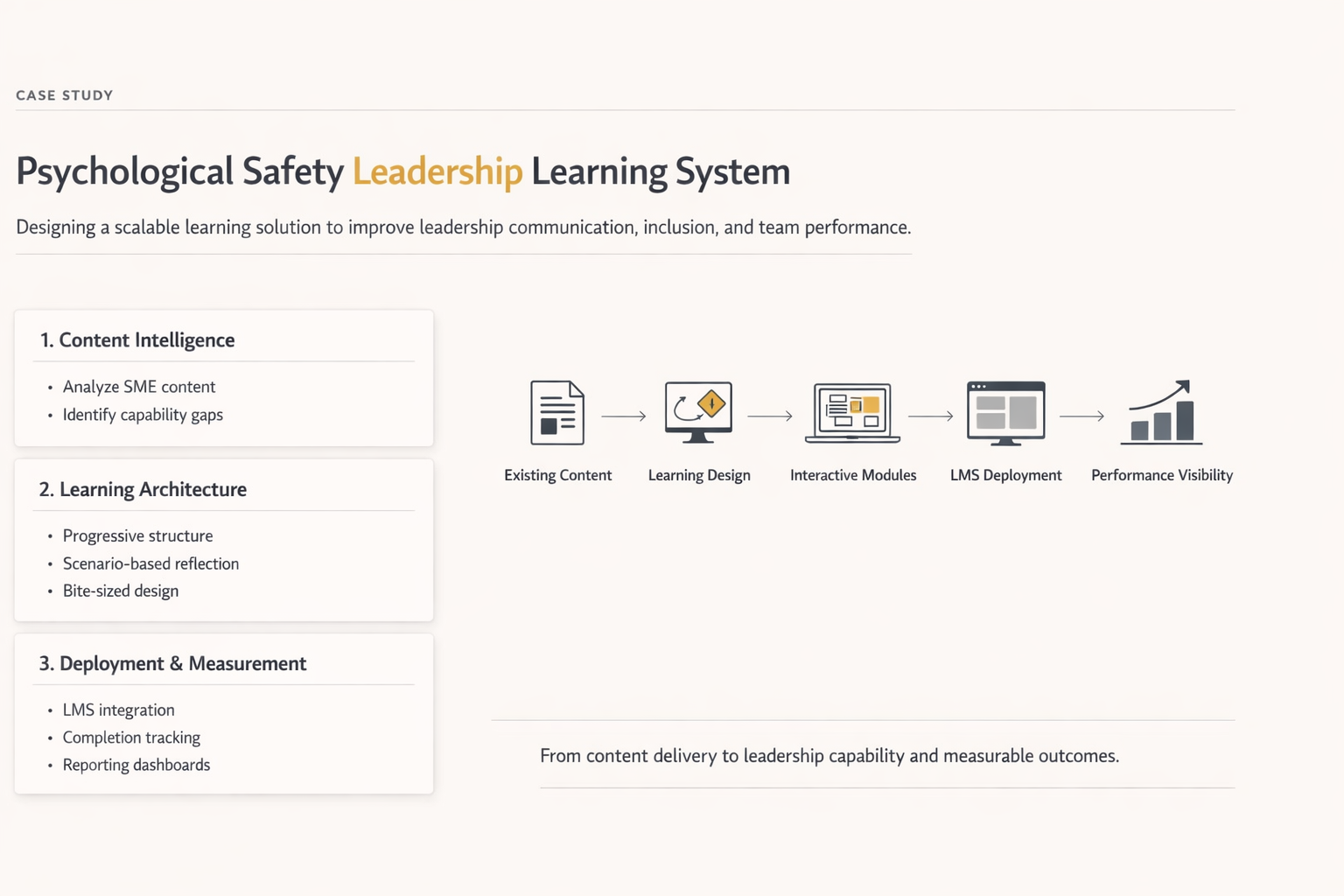
Designing a scalable leadership learning solution to build psychological safety and improve team communication.
Business Context
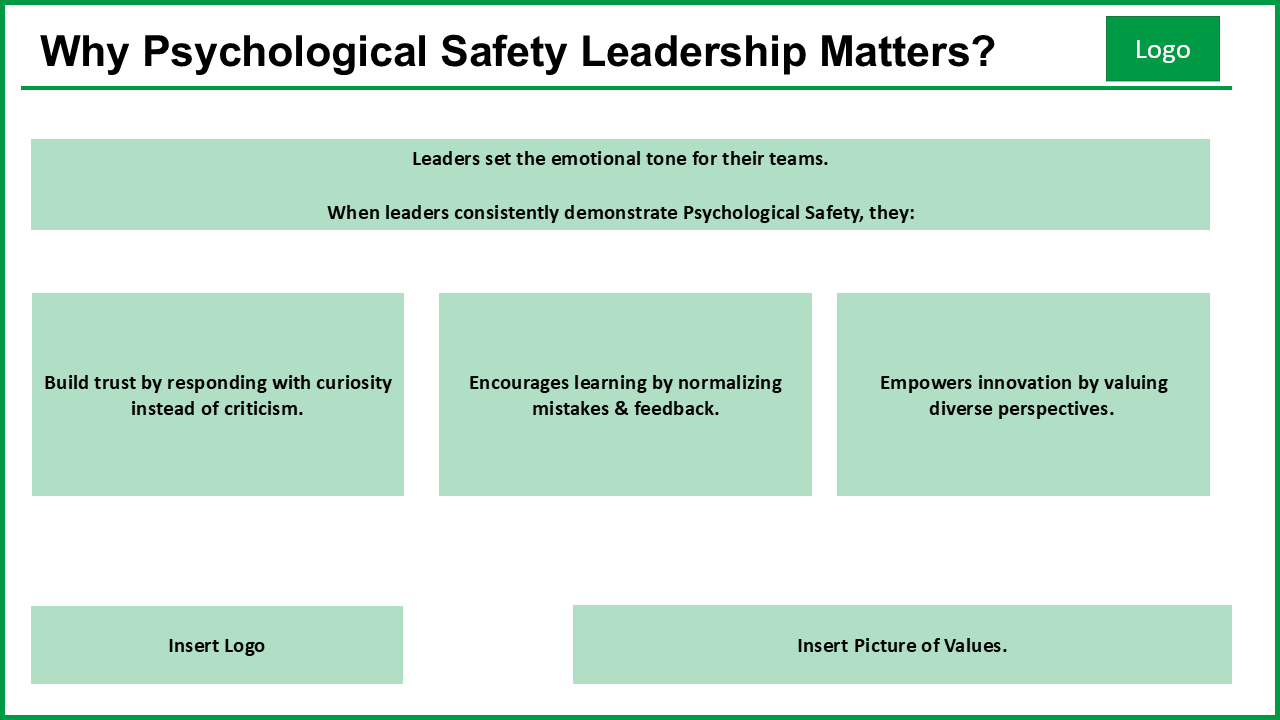
In high-performing teams, psychological safety is not just an HR metric—it's a critical operational lever. When team members feel safe to voice concerns, share ideas, and challenge the status quo, execution accelerates and systemic risks are mitigated.
The organization recognized a pressing need to equip its leadership with continuous, structured development in inclusive communication. A culture of silence was subtly creating bottlenecks, and mid-level leaders required practical tools to foster trust without compromising accountability.
The Problem
While the subject matter experts had compiled excellent research on psychological safety, the existing content was academic and not learner-ready. Focus areas included:
- Lack of structured development: Leaders were expected to foster safety but weren't given a step-by-step framework to do so.
- Need for inclusive communication: Diverse teams were struggling to reach consensus efficiently due to misaligned communication styles.
- Content unreadiness: The raw material was dense and theoretical, requiring a complete transformation into an actionable, scenario-driven learning experience.
Role & Responsibilities
As the Learning Architect and Instructional Designer, I was responsible for the end-to-end transformation of the leadership program:
- Content Analysis: Distilling academic concepts into pragmatic, behavioral shifts.
- Instructional Design: Mapping out the learning journey and creating interactive storyboards.
- Learning Structure: Organizing modules to respect the chaotic schedules of line leaders.
- LMS Deployment: Ensuring seamless SCORM integration and mobile compatibility.
- Reporting & Analytics: Setting up macro-level dashboards for stakeholder visibility.
- Stakeholder Alignment: Managing rapid feedback cycles with executive sponsors.
Constraints
Designing for busy leaders requires strict adherence to operational realities. The key guardrails for this project included:
- Maintaining the absolute accuracy of SME content while simplifying the narrative.
- Ensuring total LMS compatibility across various devices and legacy browsers.
- Prioritizing scalability and simplicity over heavily animated, restrictive e-learning formats.
Design Approach
Content Analysis
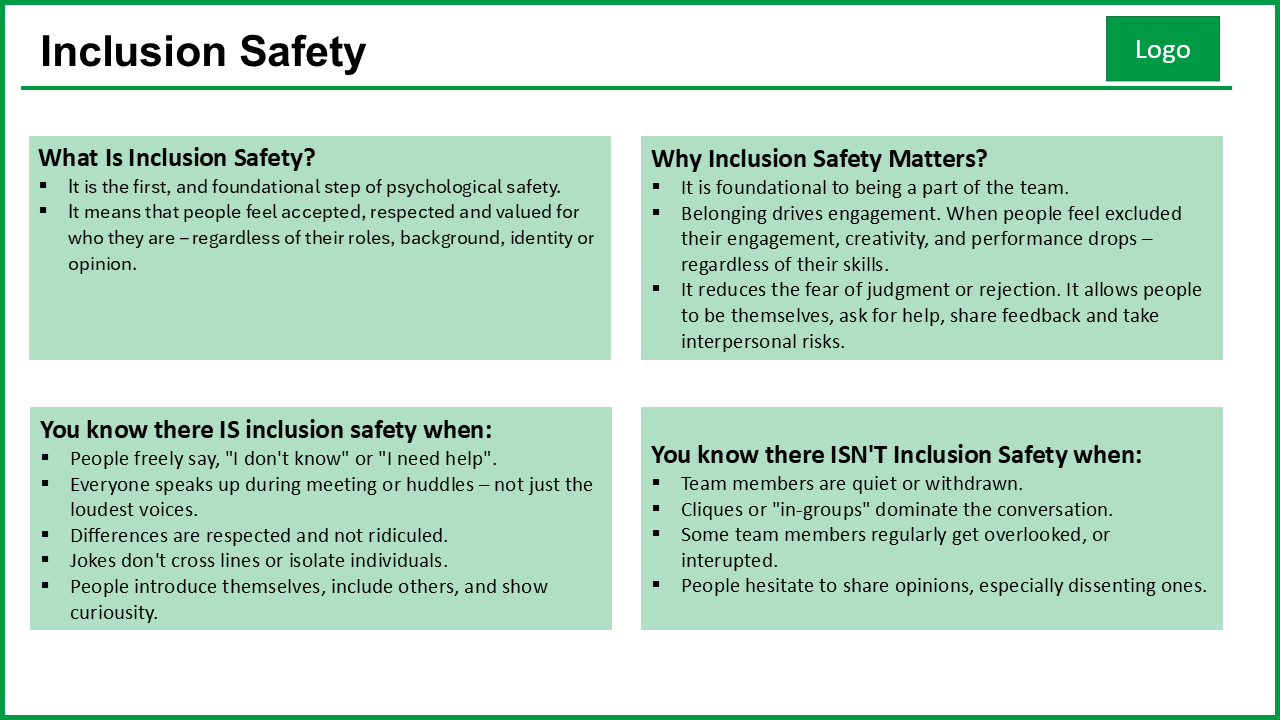
Before entering the authoring tool, I stripped the existing documentation down to its core performance competencies. I utilized iterative storyboarding to map the learner journey, ensuring every slide served a specific behavioral objective.
Learning Architecture
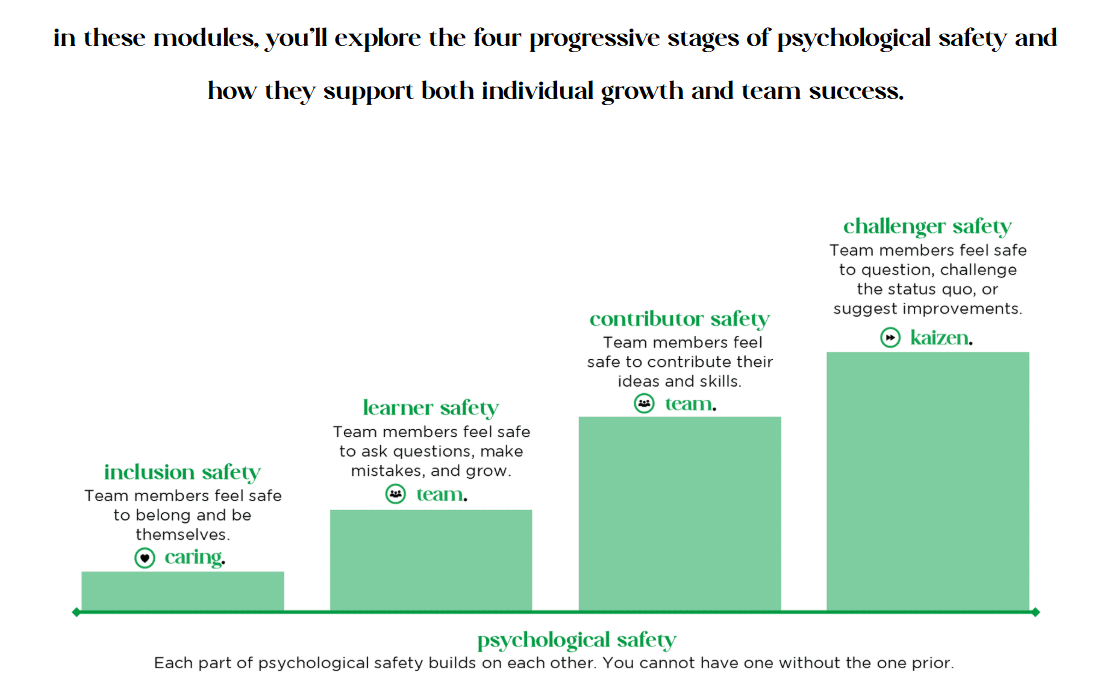
The architecture followed a highly deliberate progressive flow: Awareness → Understanding → Application. Instead of front-loading theory, the modules anchored concepts in real-world leadership dilemmas, forcing the learner to make choices before receiving the framework.
Scoreboard & Accountability
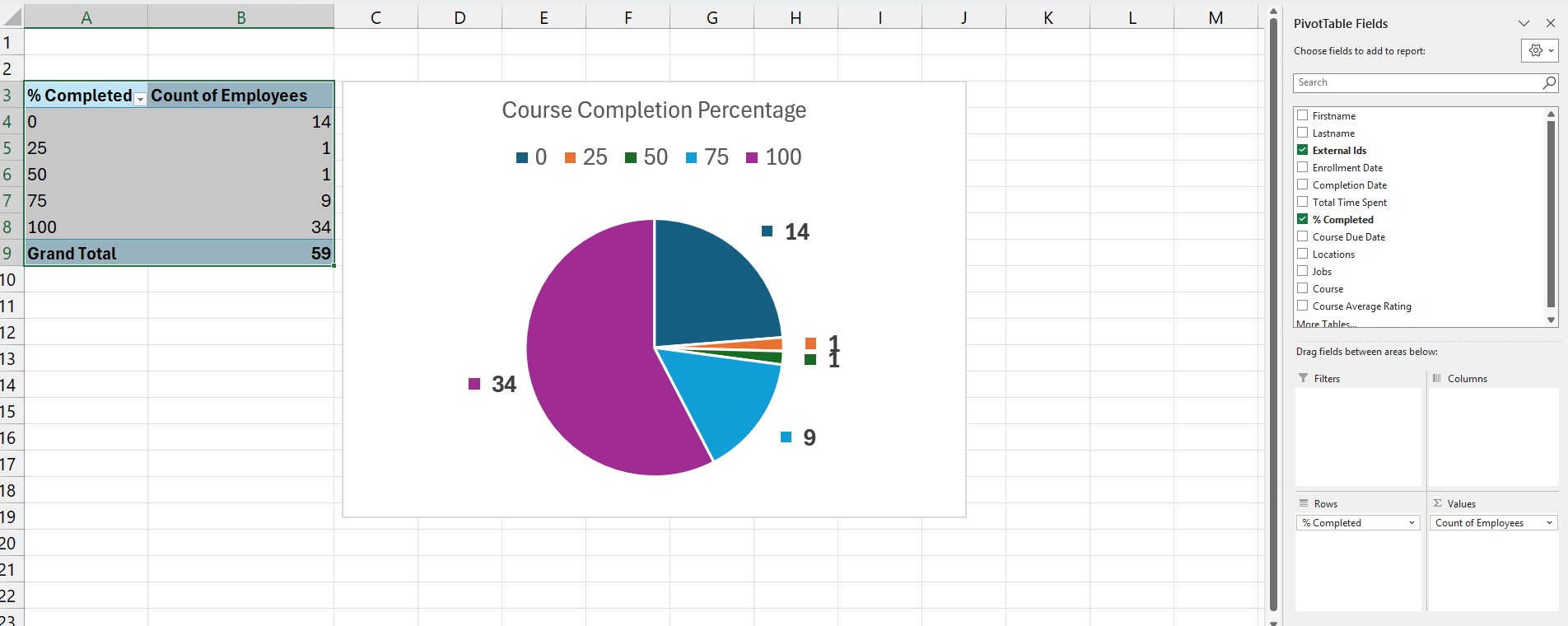
Training without visibility is just a suggestion. A strong differentiator in this solution was the implementation of a Leadership Scoreboard.
The scoreboard was created to shift the narrative from "compliance" to "capability tracking." By aligning the learning milestones with existing business reporting, executives had a heat-map of engagement. This fostered organic motivation among leadership cohorts and guaranteed that the training was viewed as a strategic business initiative, rather than an HR requirement.
The Solution
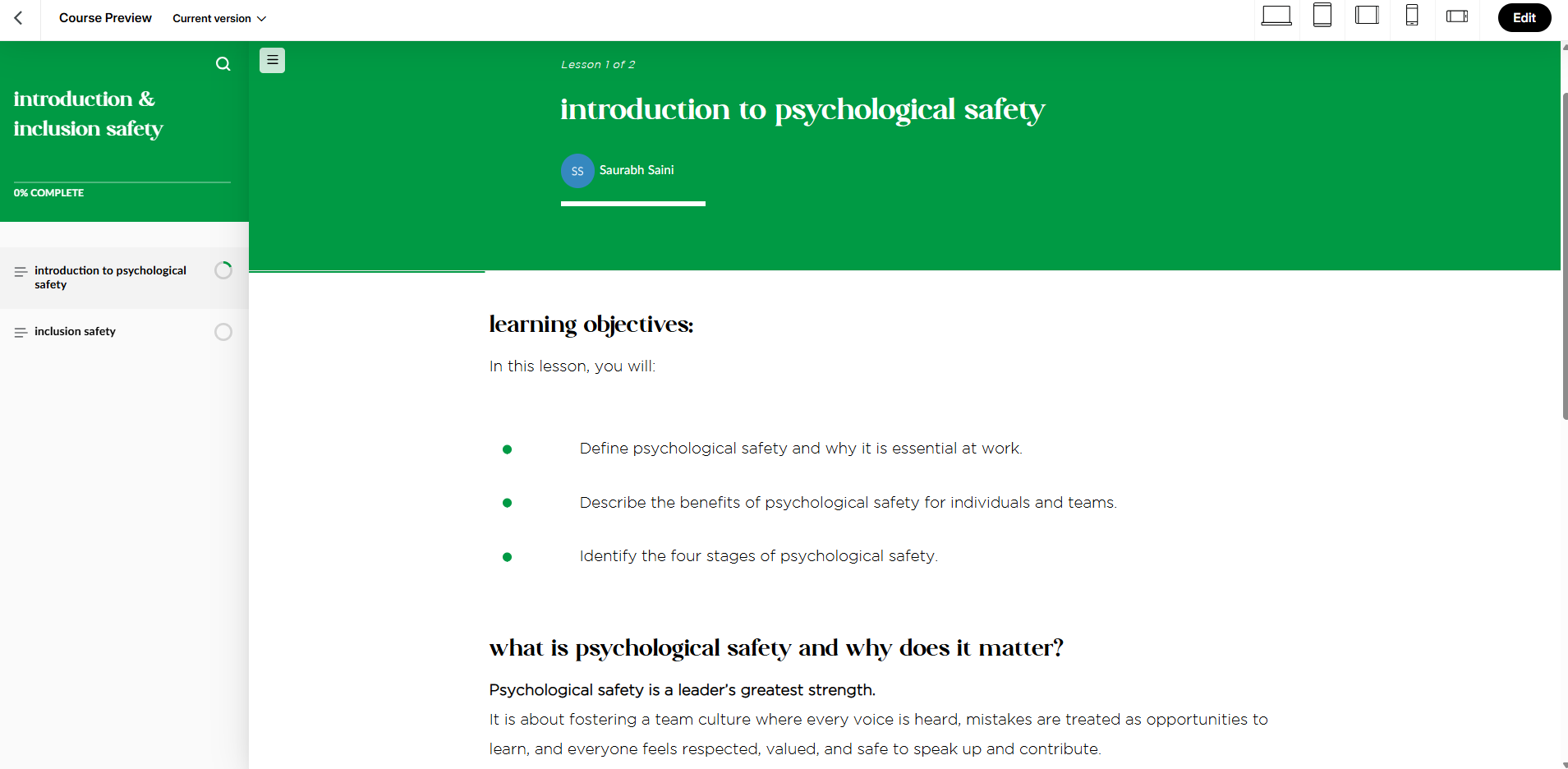
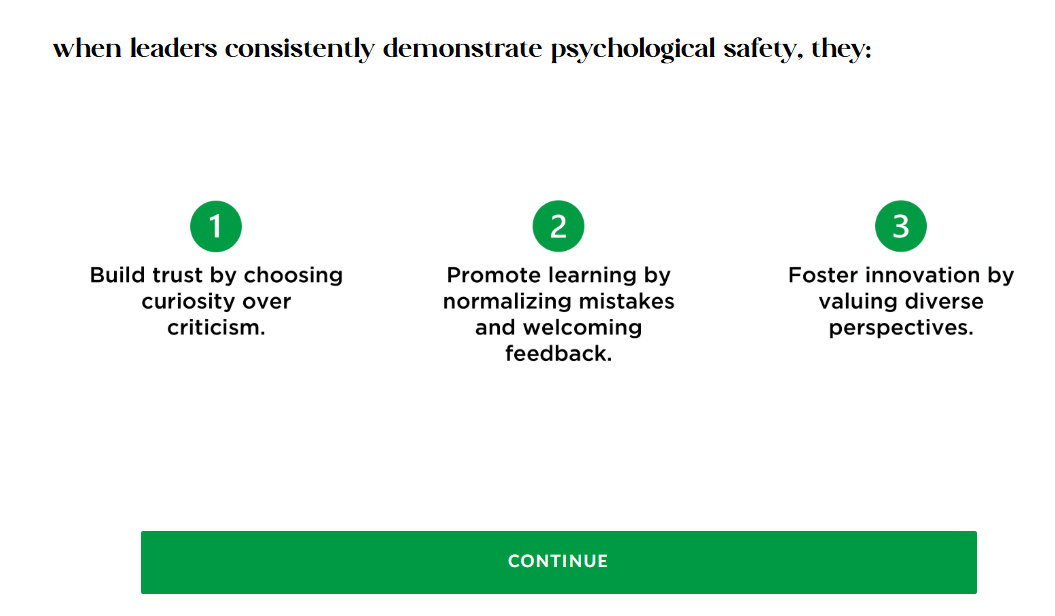
The final deliverable was developed using Articulate Rise to guarantee a flawless, mobile-first experience.
Recognizing the cognitive load on managers, the structure was kept simple, scalable, and entirely bite-sized. Leaders could dive in for five minutes between meetings, complete a micro-scenario, and immediately apply the learning on the floor.
Interactivity & Learning Experience
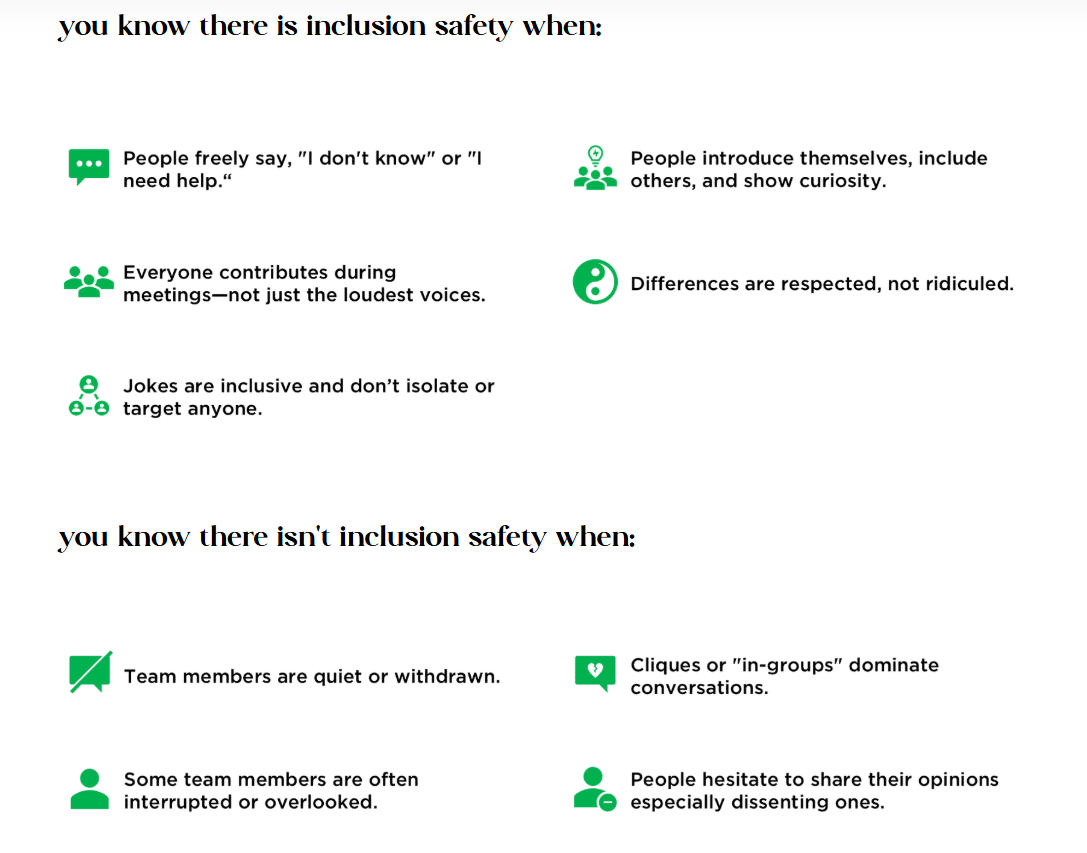
Passive reading does not change behavior. The course utilized high-fidelity interactivity to force cognitive engagement:
- Reflection Exercises: Self-audits on current communication habits.
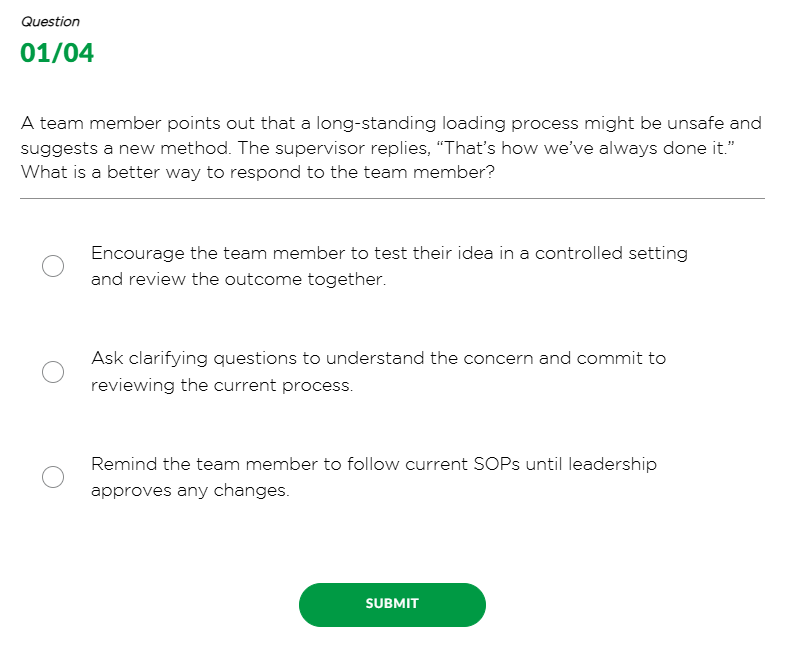
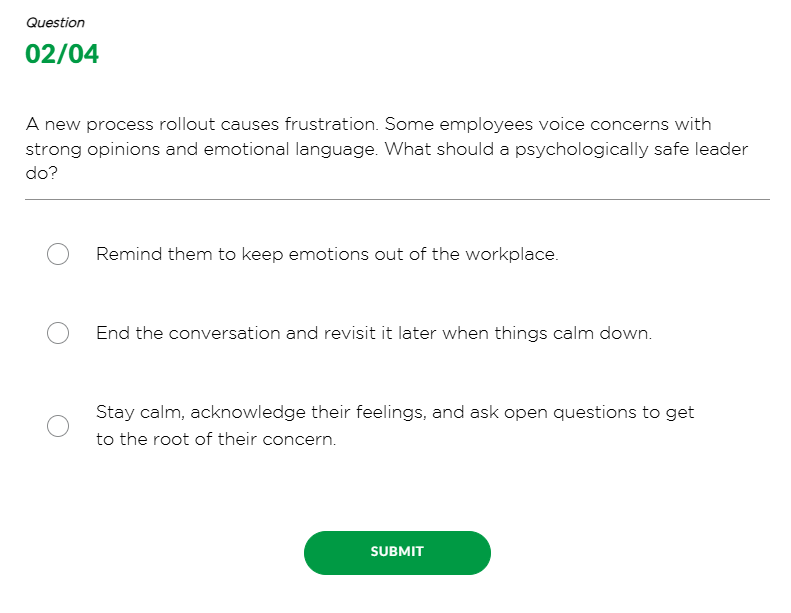
- Scenario Questions: Branching interactions based on realistic team conflicts.
- Knowledge Checks: Immediate feedback loops on psychological safety frameworks.
- Drag-and-Drop: Sorting productive vs. destructive leadership responses.
LMS Deployment
The technical deployment needed to be completely frictionless. The module was published with strict SCORM tracking parameters, ensuring every interaction was logged. Uploading and testing were conducted across staging environments before the final push, establishing a bulletproof tracking setup for completion monitoring from day one.
Reporting & Outcomes
By leveraging the LMS constraints proactively, we designed a robust stakeholder reporting flow. We monitored:
- Completion Tracking: Pacing against the rollout timeline.
- Participation Monitoring: Which departments were lagging vs. leading.
- Stakeholder Reporting: Automated, weekly dashboard updates sent directly to the VP tier.
Impact & Value
The result was a highly scalable, measurable, and leadership-focused intervention that aligned perfectly with business OKRs. By moving away from static slide decks and into an interactive performance stack, the organization didn't just disseminate information—they engineered a measurable shift in how teams operate, communicate, and execute under pressure.
Tools Used
Key Skills Demonstrated
Reflection
This initiative reinforces a core philosophy: learning must operate as a business system, not an event. By building a frictionless, mobile-first experience backed by transparent accountability (the Scoreboard), this project demonstrates how strategic instructional design transforms academic theory into a performance-focused learning system that drives real operational impact.